A herniated disc diagnosis sounds alarming, and the sciatica that often comes with it can be genuinely miserable: sharp leg pain, tingling, a foot that doesn't feel quite right. We tell patients on day one that most herniated discs improve with conservative care, and very few ever require surgery. Understanding what's happening and what recovery actually looks like is the first step toward getting through it.
How a herniated disc causes sciatica
The discs between your vertebrae act as cushions, with a tough outer ring surrounding a gel-like center. When the outer ring weakens or tears, some of that inner material can push outward. That's a herniation. If the bulge presses on or irritates a nearby nerve root, the nerve sends pain along its entire path. In the lower back, that path is often the sciatic nerve, which runs from the spine through the buttock and down the leg.
That's why a problem in your back can show up as pain in your calf or numbness in your foot. Not all leg pain is sciatica, though, and not all sciatica comes from a disc. Our post on back pain vs. sciatica breaks down how to tell the difference, and why an accurate diagnosis matters before treatment begins.
What recovery typically looks like
Research consistently shows that many herniated discs improve substantially with conservative care over a period of weeks to months. The body can gradually resorb herniated disc material, and inflammation around the nerve often calms as pressure decreases. Most people notice meaningful improvement within six to twelve weeks, though timelines vary widely from person to person.
Recovery is rarely a straight line. Good days and setbacks are normal, which is why we re-evaluate as you progress rather than locking you into a fixed plan.
Conservative treatment options
At our Tampa clinic, treatment for a herniated disc and sciatica usually combines several approaches:
- Chiropractic care. Gentle, targeted adjustments can help restore joint motion and reduce mechanical stress on the injured segment.
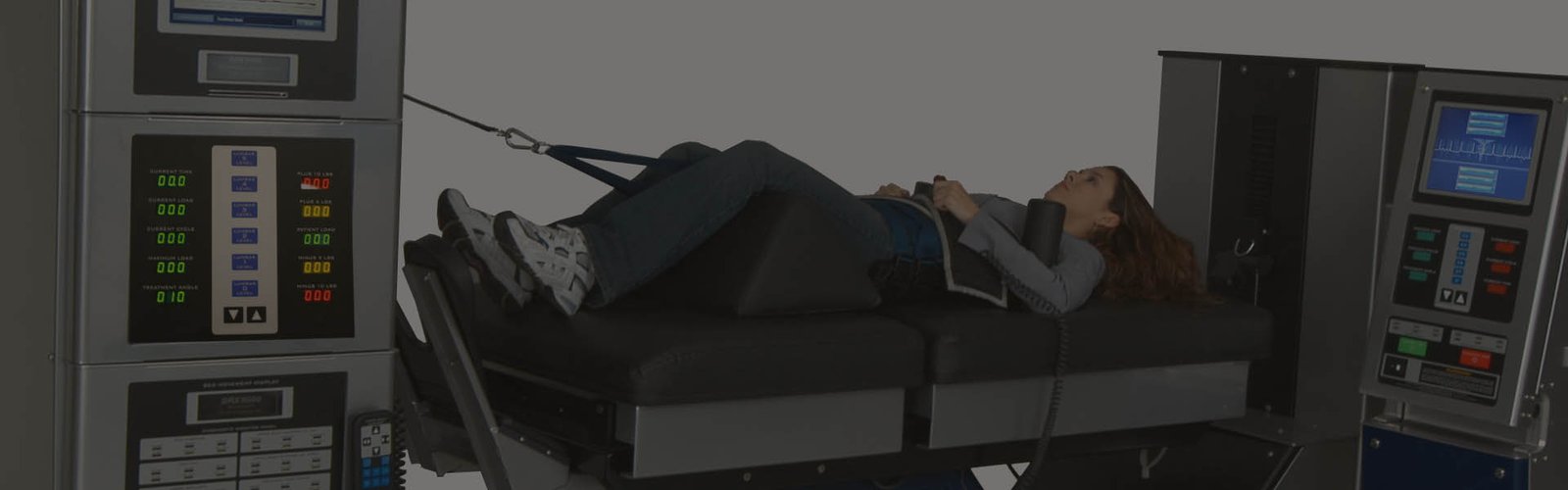
- Non-surgical spinal decompression. Our DRX9000 table uses computer-controlled traction to gently reduce pressure within the disc, which may help relieve nerve irritation. If you're curious how a session works, read what to expect during spinal decompression therapy.
- Soft-tissue work. Addressing the muscle guarding and compensation patterns that build up around a painful disc.
- Activity modification. Not bed rest, which often makes things worse, but smart adjustments to how you sit, lift, and move while the disc heals.
Every disc case starts with an exam, not a treatment. We take a full history, test how the nerve is functioning, and take X-rays in-house when indicated, then tell you honestly whether decompression, chiropractic care, or a referral elsewhere is the right next step. Learn more about how decompression therapy works.
What influences how fast you recover
No two disc injuries heal on the same schedule. The size and location of the herniation, how long symptoms have been present, your age and overall health, your activity level, and how consistently you follow your care plan all play a role. Someone with a recent, mild herniation often responds faster than someone who has been compensating around the problem for a year. That's one more reason early evaluation tends to mean simpler care.
When surgery enters the conversation
Surgery is a last resort, not a first option. For most people with a herniated disc, it never becomes necessary. It's typically considered only when a thorough course of conservative care hasn't brought relief, or when certain warning signs appear: progressive weakness in the leg, or loss of bladder or bowel control, which call for urgent medical evaluation. If your case falls outside what conservative care can address, we'll tell you directly and help you get to the right specialist. Always discuss surgical questions with your physician; our job is to make sure you've genuinely exhausted the non-surgical options first.
If leg pain, numbness, or tingling has you worried, call us at 813-978-0020. An exam can tell you what you're dealing with and what it will realistically take to get better.
Key takeaway: Most herniated discs, and the sciatica they cause, improve with conservative care over weeks to months. Chiropractic care, spinal decompression, and smart activity changes can help, and surgery is rarely needed. Start with a thorough exam so your treatment matches your actual diagnosis.